Story by Carson Hendrickson
Photos Courtesy of University of Idaho
Design by Catherine Galbraith
Leila Old joined the University of Idaho Home Economics (now Family and Consumer Science) faculty in 1967, collecting historical garments as a teaching resource to show her students sewing construction. While the first gift of historical clothing made out to UI was in 1938, the collection was finally named after Leila Old in 1981.
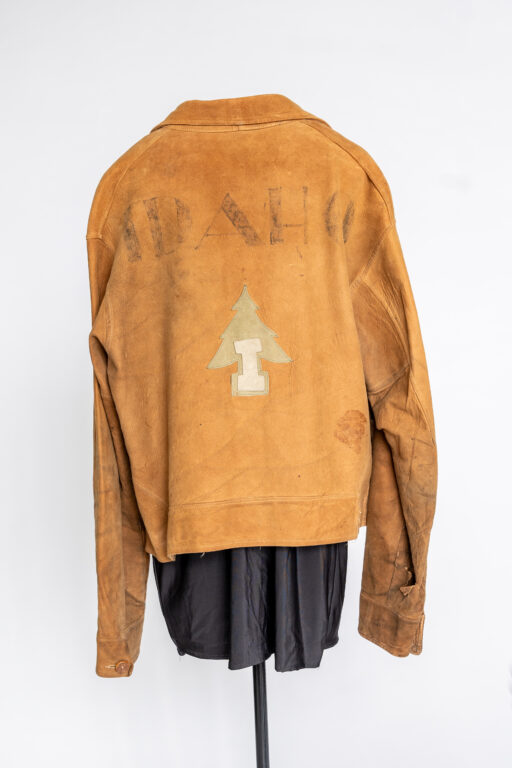
Located on the first floor of Hays Hall, the Leila Old Historic Costume Collection, or the LOHCC, is one of the largest university-run collections in the Pacific Northwest, housing over 10,000 catalogued items, dating from the 1850s to the present day. Archived in the collection are items such as clothing (including head and footwear), accessories, toiletries and item documentation, many of which reflect the history of Idaho, and our university.
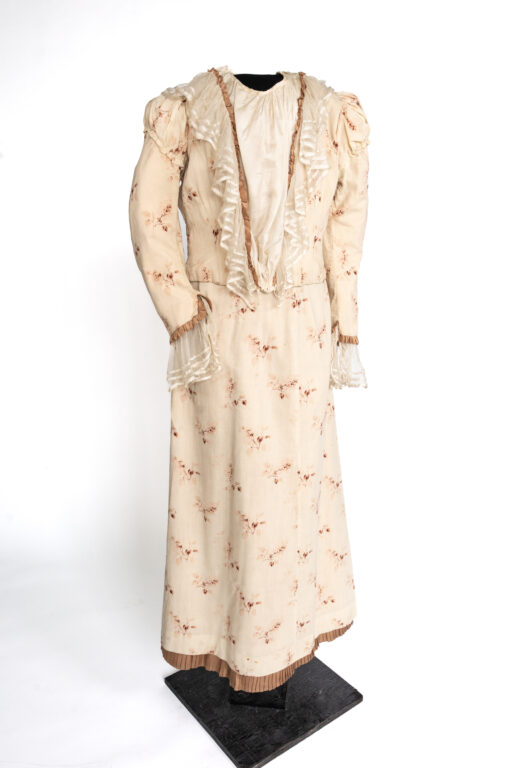
Included in the collection are pieces owned by early faculty members of UI, one such member being Mary Belle Sweet. Mary Belle Sweet was hired as UI’s first professional librarian in 1905. The next year, the library was destroyed in the Administration Building fire. Sweet immediately began rebuilding the book collection, resulting in the gain of 1,000 new books, and nearly $2,000 in donations for the library. The Leila Old Historic Costume Collection has been gifted many of her’s, and other past faculty member’s, clothing for preservation.
Professor Sonya Meyer has been the most recent curator of the collection, taking on the role in 2018. She came from the University of Wyoming, teaching textiles and running their collection, to becoming the director of the Margaret Ritchie School of Family and Consumer Science here at UI.
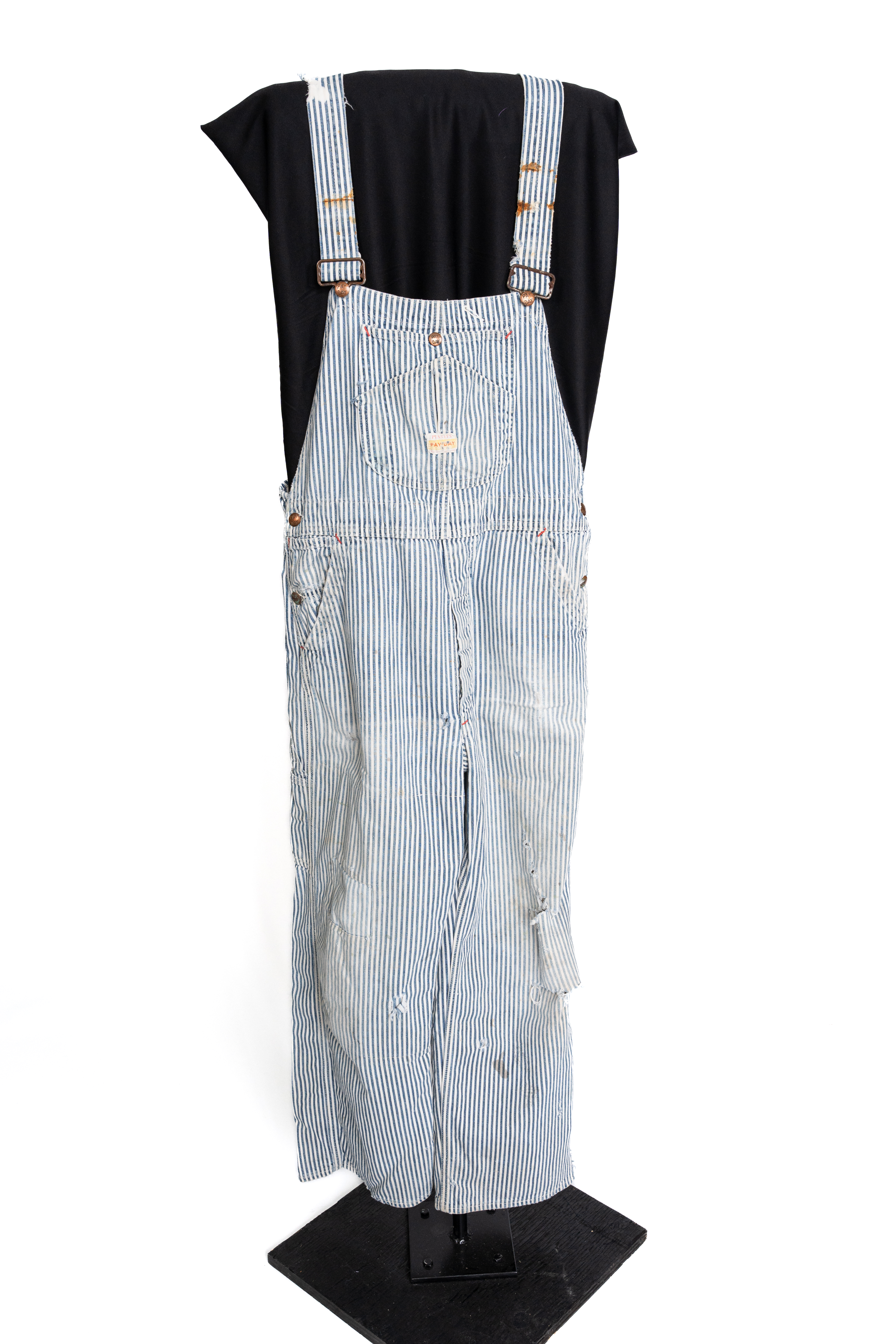
Meyer has different favorite pieces for different reasons. She likes a pair of 1950s work overalls because of how rare and unique pieces like that are. They are worn, ripped and patched up, but the fact that they exist at all is a miracle. Work clothes don’t usually survive because they tend to be used until they are unsalvageable, but the pair in the LOHCC, while not in pristine condition, tells more about Idaho farm culture than they would have if they were pristine.
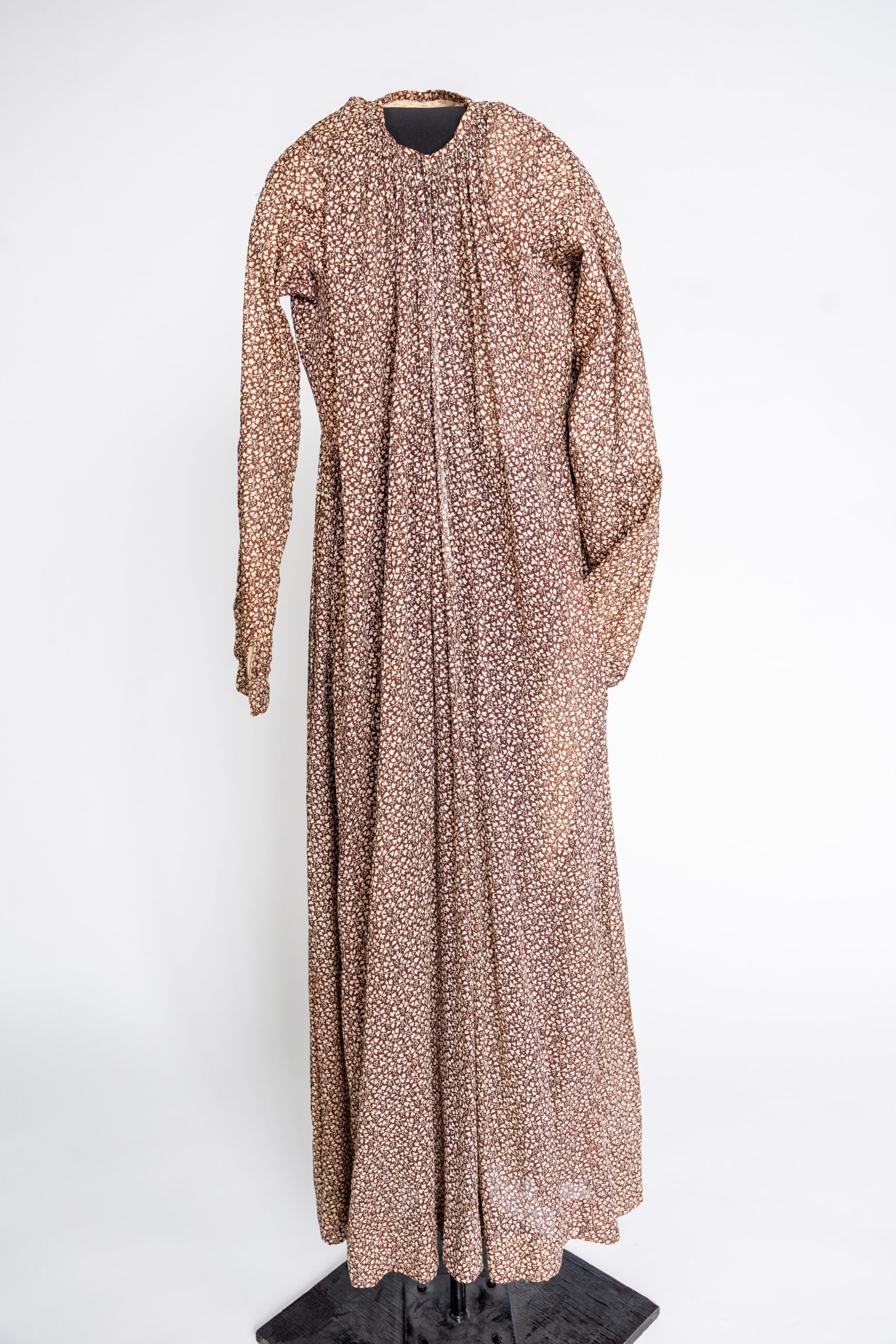
Another of Meyer’s favorites is the 1850’s Mother Hubbard dress. While the design itself is not too eye catching, its story is, coming across the Oregon trail by the donor’s grandmother.
The least favorites she has are not in specific pieces, but in the duplicates. Clothing is part of the material culture we leave behind, and it helps tell the story of our lives. That being said, there can be only so much of a single kind of garment that can tell the same story before it becomes repetitive. The space where the collection lives is already too small for the over 10,000 pieces it houses. Caring for historic clothing can be demanding. Ideal conditions require a room blocked out of natural light, with temperature control and acid-free packing material, all of which needs ample space. The collection grew rapidly after Leila Old’s retirement in 1981, and unfortunately the space has not grown with it, causing issues with providing the proper resources for care, storage and conservation.
Meyer plans on retiring after the Spring 2025 semester. Running a collection, especially one the size of the LOHCC, is no small feat. A collection takes time, resources and direction. When her position is filled, ideally it will be by someone whose time is mainly focused on the collection. Consistency is also important, especially in workflow.
As of now, there are three student employees working under Meyer: Ethan McIntosh, Lucinda Meshberg and Carson Hendrickson. She explained that having student employees in the collection has been a godsend. Not only does it provide her with help, but it also trains students for future employment in conservation careers.